





Treatment of pulpitis and periodontitis
What You Should Know About Pulpitis and Periodontitis
- Pulpitis is inflammation of the dental pulp (the nerve and blood vessels inside the tooth).
- Periodontitis is inflammation of the tissues around the tooth — the periodontium.
- Both conditions most commonly develop as a complication of untreated tooth decay.
- In its early stages, pulpitis may be reversible; in advanced stages, the nerve cannot be preserved.
- Periodontitis leads to bone loss, tooth mobility and can negatively impact overall health.
- If left untreated, pulpitis often progresses into periodontitis.
- Modern dentistry allows both conditions to be treated effectively and painlessly.
Causes
While tooth decay is the most typical trigger, several other factors may contribute:
- trauma or cracks in the tooth,
- erosion and excessive enamel wear,
- poorly fitted fillings or crowns,
- chemical or thermal irritation of the pulp,
- retrograde pulpitis — infection entering the tooth via the bloodstream.
Symptoms
Pulpitis
- sharp or dull episodes of pain, often worse at night,
- pronounced sensitivity to heat and cold,
- pain that persists even after the stimulus is removed.
Periodontitis
- bleeding and inflamed gums,
- bad breath,
- tooth mobility,
- pus discharge (“gum boil”),
- pain when biting or chewing,
- in advanced stages — facial swelling and fever.
Difference Between Pulpitis and Periodontitis
- Pulpitis = inflammation inside the tooth; periodontitis = inflammation around the tooth.
- Pulpitis typically causes sharper, more intense pain, while periodontitis causes pressure and discomfort.
- Teeth affected by pulpitis remain firm; teeth affected by periodontitis may become mobile.
Treatment of Pulpitis and Periodontitis
Reversible Pulpitis
Treatment consists of removing the decay and restoring the tooth with a filling.
Irreversible Pulpitis
Requires endodontic (root canal) therapy:
- removal of the dental pulp,
- cleaning and shaping of the root canals,
- disinfection,
- hermetic sealing of the canals and restoring the tooth (often with a crown).
Periodontitis Treatment
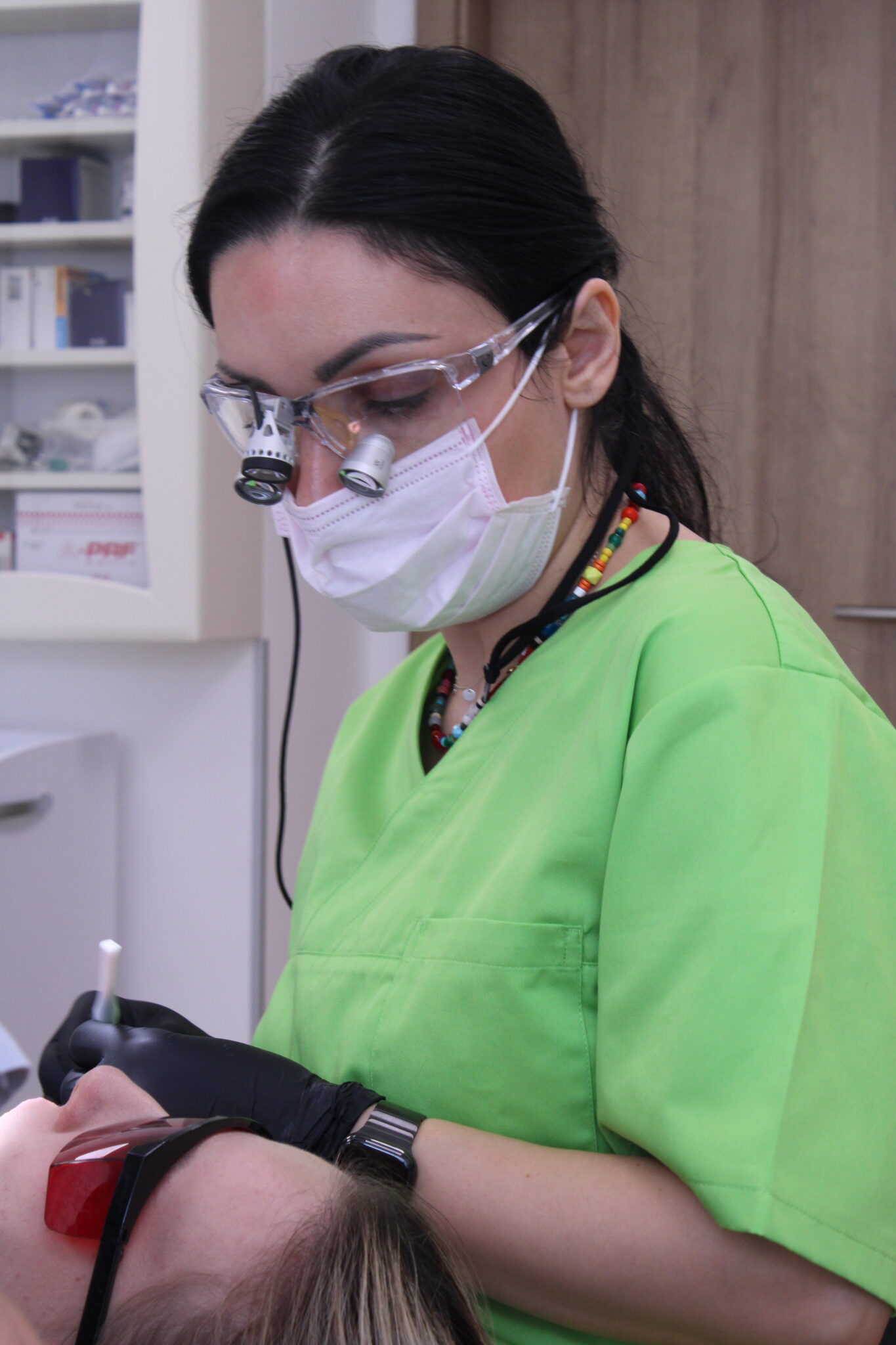
- root canal therapy under magnification (sometimes over several visits),
- in severe cases — surgical treatment: removal of pus, cleaning infected tissues, drainage, and gum correction.
Prevention
- timely treatment of cavities,
- professional dental cleaning at least once a year,
- consistent oral hygiene (toothbrush, floss, mouthwash),
- avoiding dental trauma and very hard foods,
- regular check-ups with your dentist (minimum once per year).
Initial Examination
How a Visit Proceeds

First stage

Second stage

Third stage

Fourth stage
A space of health and comfort
Follow Us on YouTube
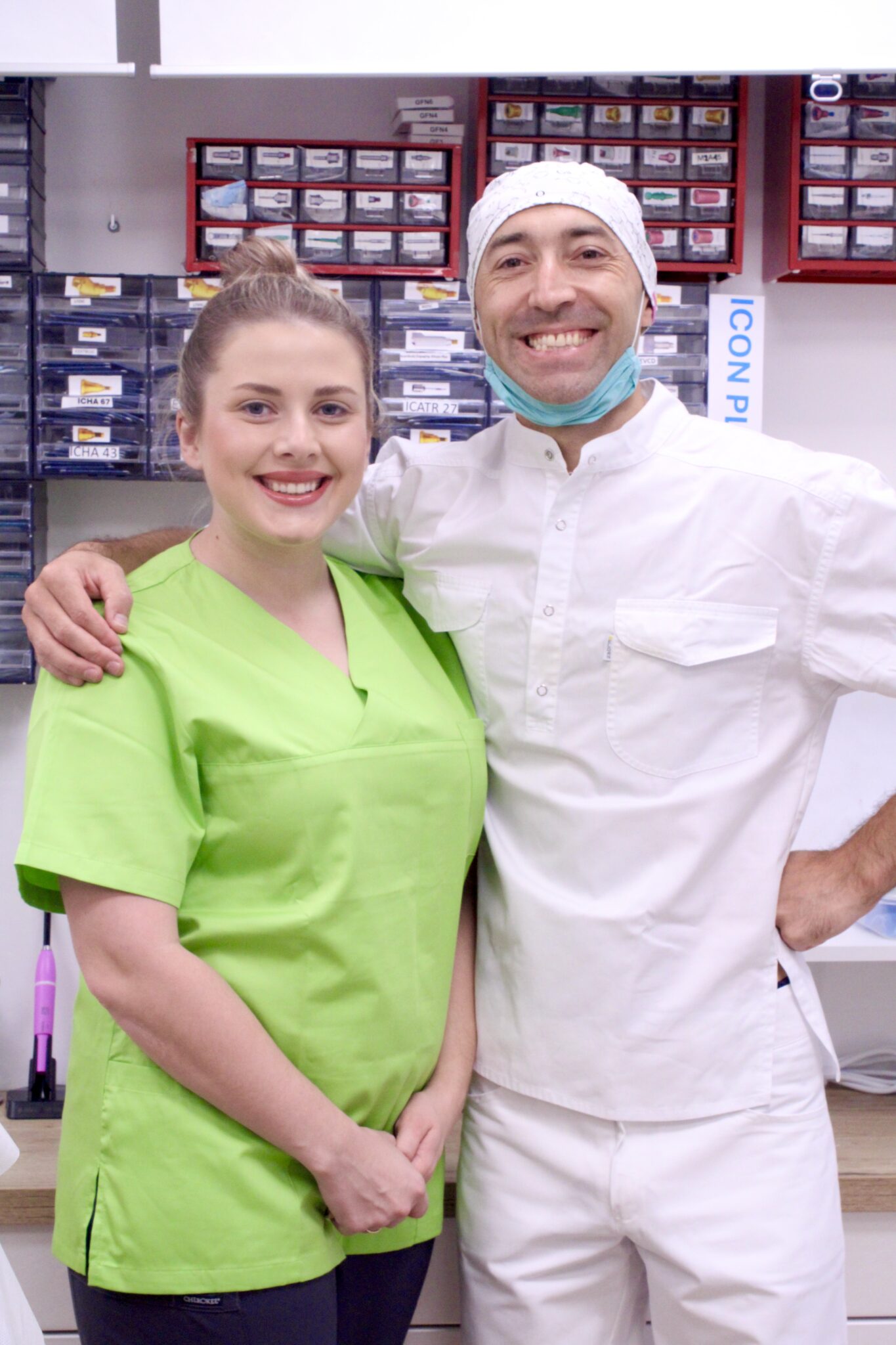
The team of therapeutic dentists at Omni Dent Clinic



Olga
Fedotova
Contact Us
FAQ
What is the difference between pulpitis and periodontitis?
Pulpitis is inflammation inside the tooth (the dental pulp), while periodontitis affects the tissues surrounding the tooth, including the bone. Pulpitis is usually associated with intense pain, whereas periodontitis often causes discomfort, gum inflammation and mobility of the tooth.
Can pulpitis or periodontitis heal on their own?
No. Both conditions require professional dental treatment. Home remedies may temporarily reduce pain, but the infection will continue to progress, leading to abscesses and potentially tooth loss.
Is the treatment painful?
No. All procedures are performed under modern local anesthesia to ensure complete comfort. Patients typically feel relief shortly after treatment begins, especially in cases of acute pain.
How long does treatment take?
Reversible pulpitis can often be treated in one visit with a filling. Irreversible pulpitis or periodontitis may require one to three visits, depending on the complexity, presence of infection and the condition of the root canals or surrounding tissues.
Can a tooth always be saved?
In the majority of cases — yes, especially if the patient seeks help early. With advanced infections, treatment may still save the tooth, but in severe cases extraction may be recommended. Early diagnosis greatly increases the success rate.