


Zirconia Dental Crowns
What Are Zirconia Crowns?
Zirconia crowns are high-precision prosthetic restorations used to rebuild severely damaged teeth or as part of implant-supported prosthetics. The zirconium oxide (ZrO₂) core is biocompatible, extremely strong, and well-tolerated by soft tissues. Zirconia crowns can be fully monolithic or layered with ceramic veneering for the most natural esthetics.
Benefits of Zirconia Crowns
- Biocompatibility: the material is well-accepted by soft tissues and does not cause allergic reactions or gum irritation.
- Natural esthetics: excellent light transmission and individualized shading allow for a natural, lifelike smile — especially in the esthetic zone.
- Strength and longevity: with proper care and regular check-ups, zirconia restorations last for many years.
- Precise fit: CAD/CAM technology ensures a highly accurate marginal seal with minimal gaps.
- Lightweight design: low material weight helps patients adapt easily after placement.
- Minimally invasive preparation: the required tooth reduction is often smaller compared to alternative materials.
- Versatility: suitable for both anterior and posterior teeth, as well as for implant-supported prosthetics.
Indications for Zirconia Crowns
- Severe destruction of the tooth crown where a filling or inlay/onlay is insufficient.
- Esthetic smile reconstruction when improving the shape or shade of teeth.
- Implant prosthetics (single crowns or bridges).
- Preference for metal-free restorations or sensitivity to metals.
Treatment Process
- Consultation and planning: examination, diagnostics, and selection of material and treatment strategy.
- Tooth preparation and digital impression: gentle reduction of the tooth, intraoral scan/impression, and temporary protection if needed.
- Laboratory fabrication: digital design and milling of the zirconia crown, followed by try-in and — where indicated — ceramic veneering.
- Try-in and final placement: verification of fit, contacts, and shade; final bonding using adhesive or conventional cements depending on the indication.
Care for Zirconia Crowns
- Daily hygiene with a soft toothbrush and low-abrasive toothpaste; regular use of floss or an irrigator.
- Avoid biting excessively hard objects (e.g., nutshells, hard packaging).
- Routine check-ups every 6–12 months to monitor the crown margin and gum health.
Zirconia Crown Cost
The cost depends on the clinical situation, the amount of preparation required, the type of construction (monolithic or veneered), and any additional procedures. A precise treatment plan and final price are provided after your clinical examination.
Specific Considerations and Limitations
- For patients with significant bruxism, a night guard may be recommended to protect the restoration.
- For maximum esthetics, a layered (zirconia + ceramic) crown may be indicated in selected cases.
- Long-term color stability and marginal integrity require good oral hygiene and regular dental check-ups.
Fixed Prosthetics
How a Visit Proceeds
Examination and Diagnosis

Anesthesia
Dental Treatment

Completion
A space of health and comfort

Follow Us on YouTube
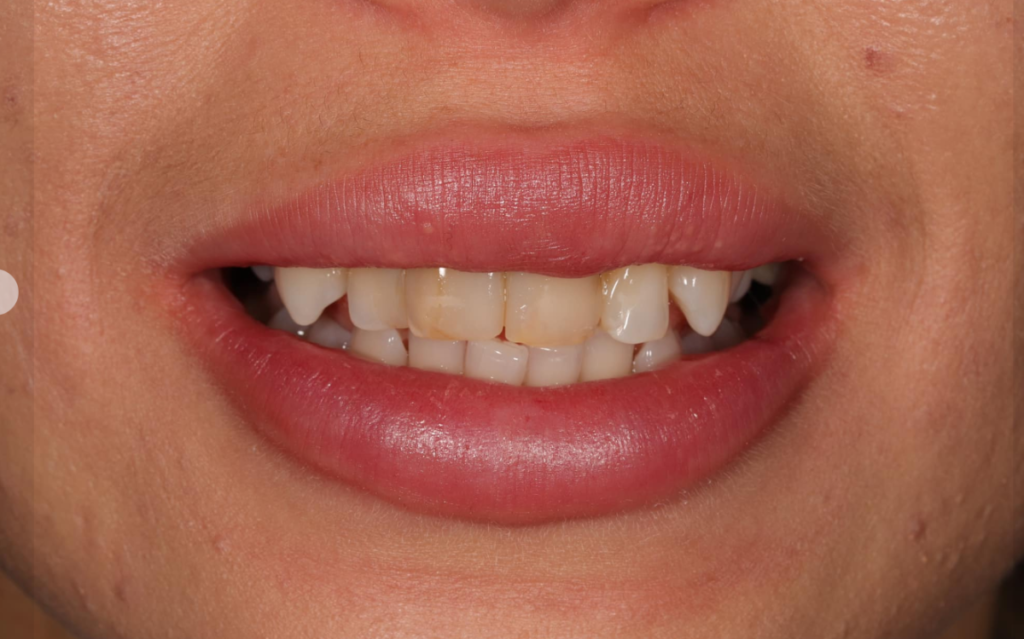
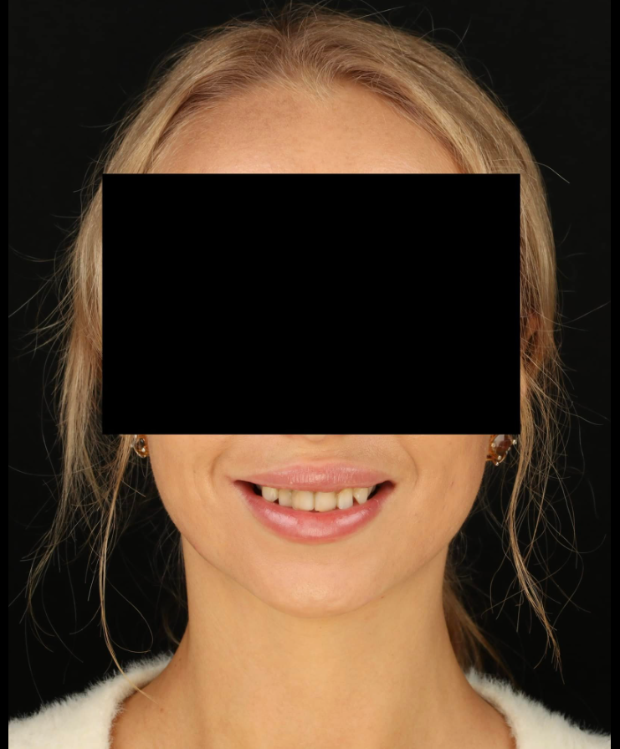
Examples of work
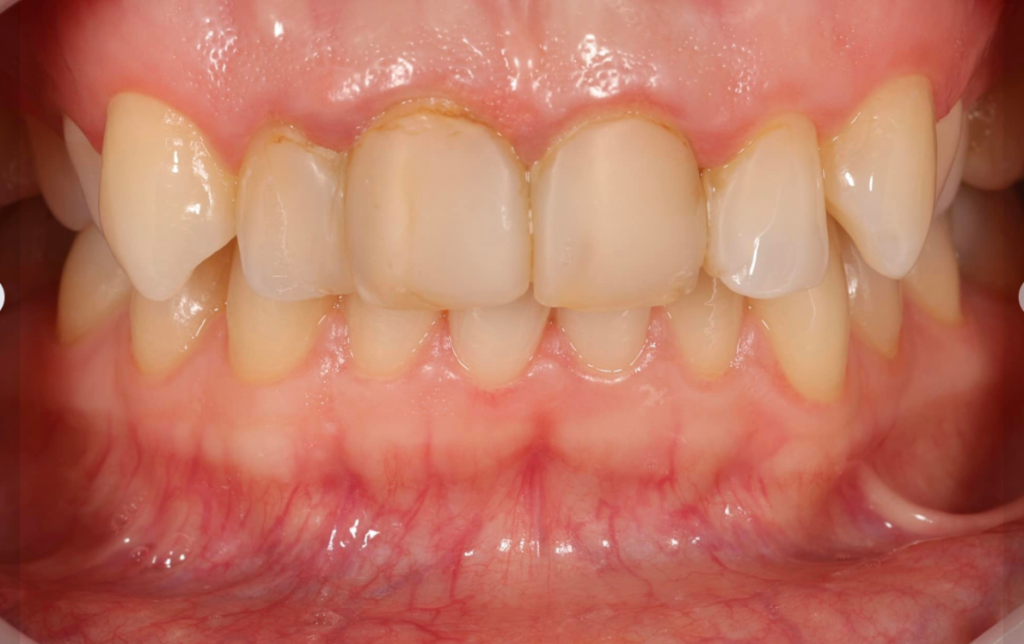
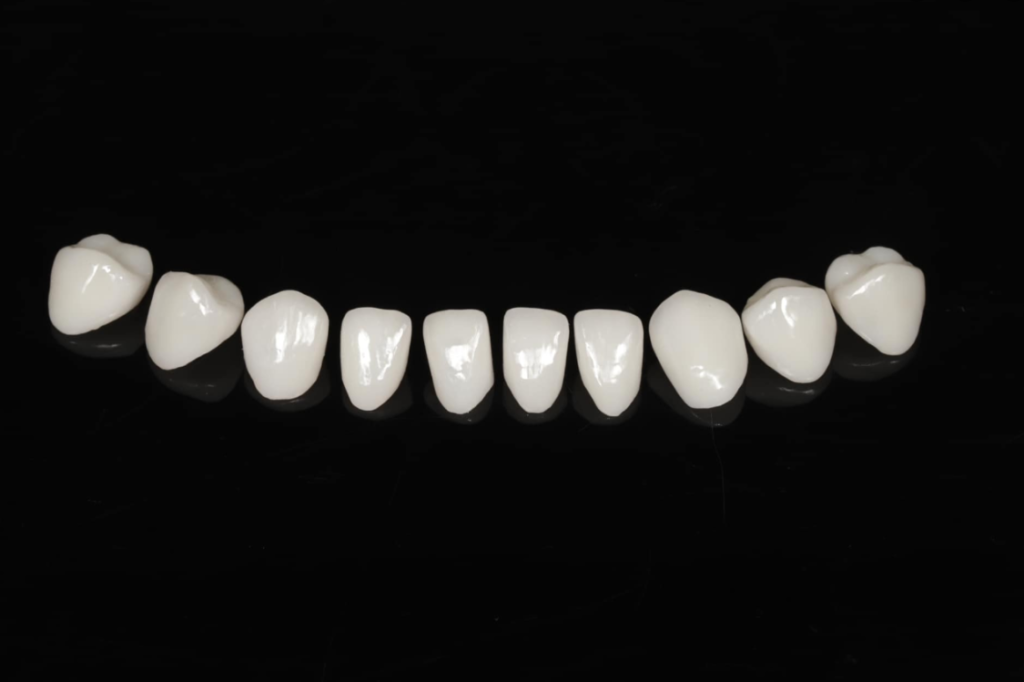
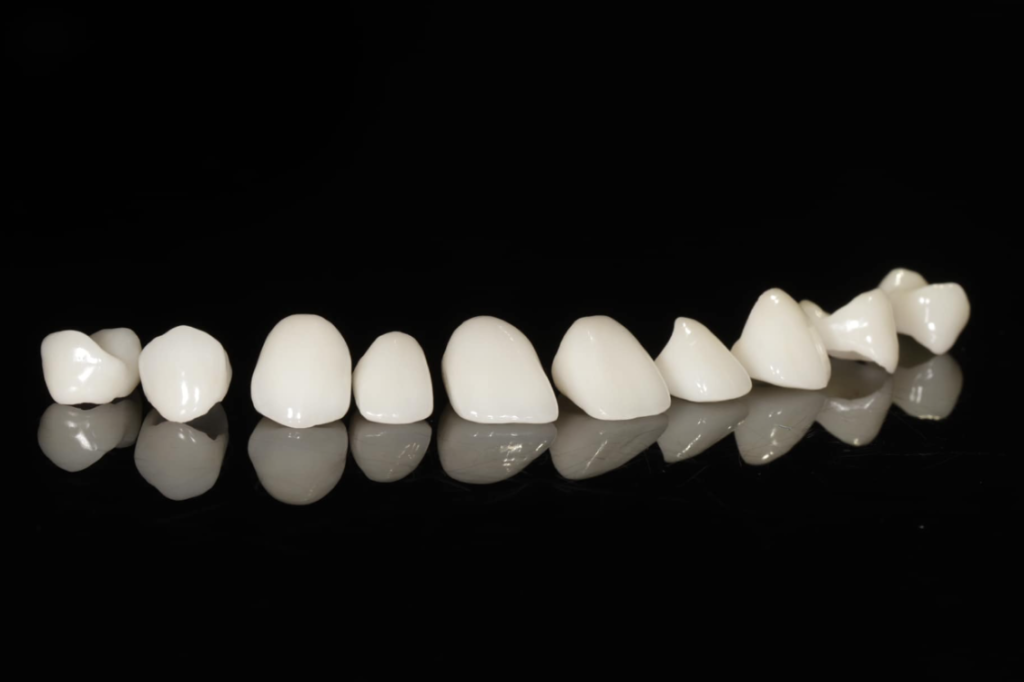
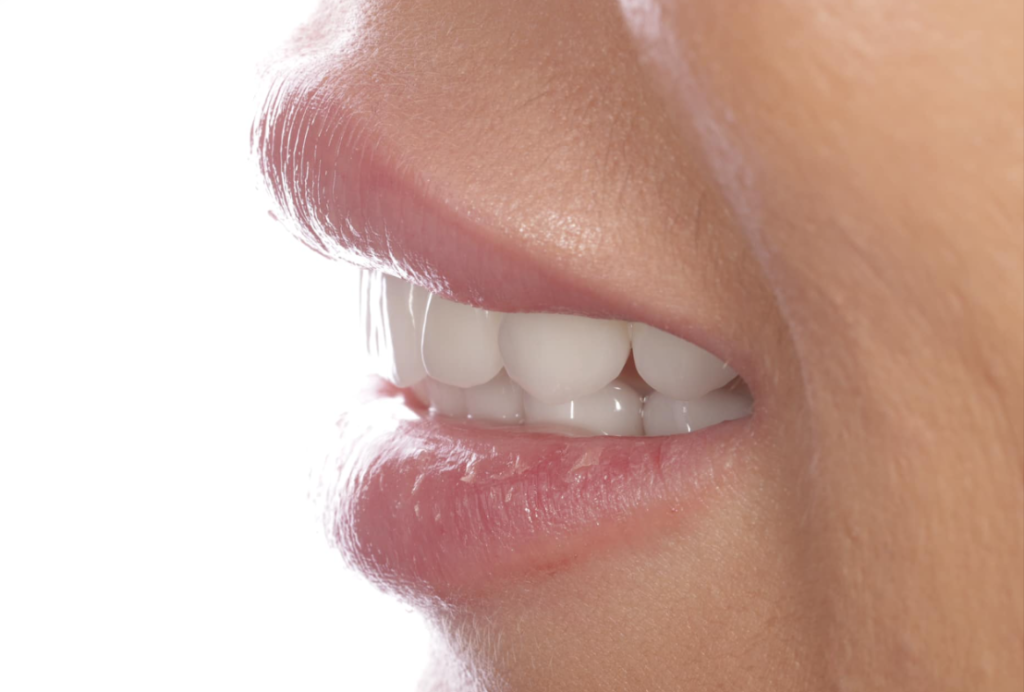
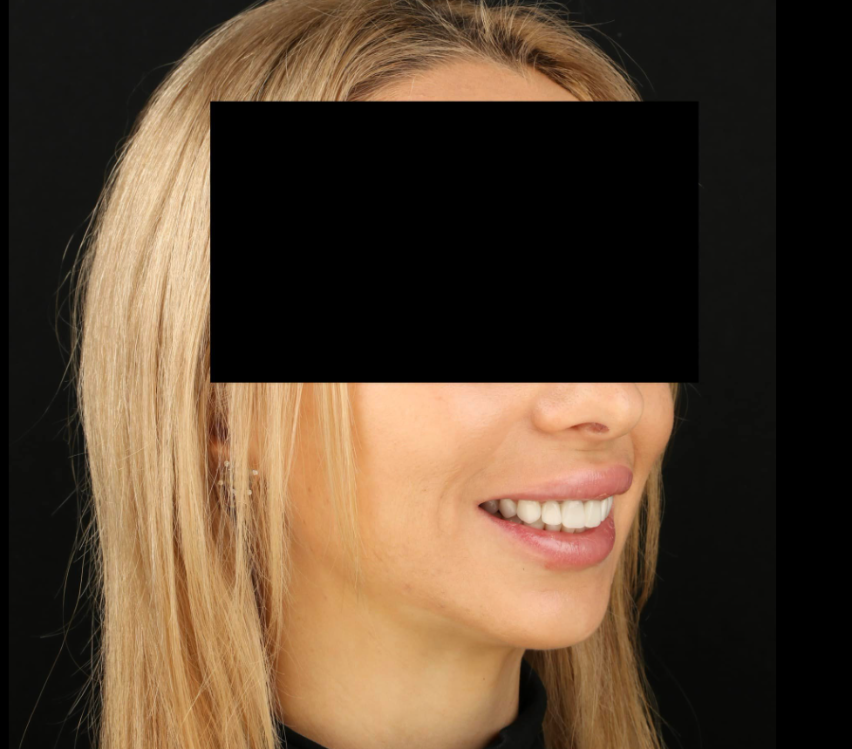
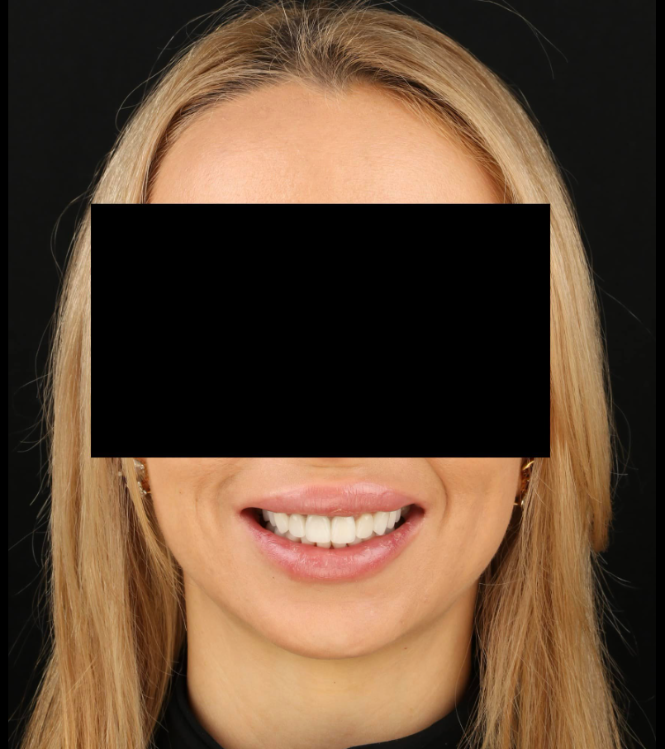
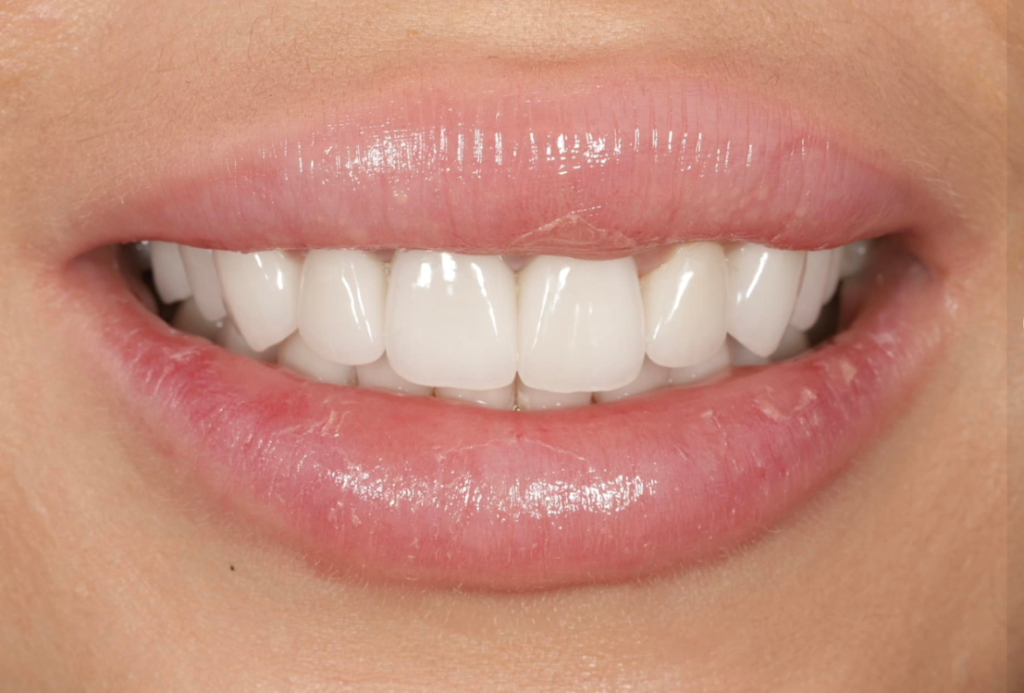
 PředPo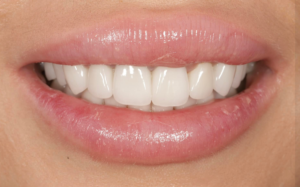
Team of Therapists at Omni Dent Clinic

Vitalii Shmaduk
expert in surgery and implantology.

Irada Richtrova
of any complexity

Alina Nazarevich
treatment

Václav Odstrčilík
Contact Us
FAQ
How long do zirconia crowns last?
Zirconia crowns are known for their exceptional durability. With good oral hygiene and regular dental check-ups, they typically last 10–15 years, and often much longer. Their resistance to fractures and wear makes them one of the most long-lasting crown options available.
Are zirconia crowns safe and biocompatible?
Yes. Zirconia (zirconium oxide) is a fully biocompatible material that does not cause allergic reactions or gum irritation. It is highly tolerated by oral tissues, making it a suitable choice even for patients sensitive to metals.
What is the difference between a monolithic and a layered zirconia crown?
A monolithic zirconia crown is milled from a single block of zirconia and is extremely strong—ideal for molars and patients with a strong bite.
A layered zirconia crown has a zirconia core with a ceramic veneer, providing a more natural translucency and superior esthetics for visible front teeth.Is the procedure painful?
No. The treatment is performed under local anesthesia, ensuring full comfort. Patients usually experience minimal or no discomfort afterward. Zirconia crown preparation is conservative and often requires less removal of natural tooth structure compared to other materials.
When is a zirconia crown the best treatment option?
Zirconia crowns are recommended when a tooth is severely damaged, when esthetic smile enhancement is needed, for implant-supported prosthetics, or when a patient prefers a metal-free alternative. They offer a combination of strength, longevity, and natural esthetics, making them suitable for both anterior and posterior teeth.