






Ceramic Dental Fillings
Ceramic Inlays
A new generation of aesthetics, precision, and biocompatibility.
What Is a Ceramic Inlay?
A ceramic inlay is a laboratory-made, micro-precision restoration — a modern alternative to large fillings used to rebuild chewing teeth with significant structural loss. It is created based on an individual digital 3D model and precisely replicates the shape, color, and natural anatomy of the tooth. Ceramic inlays are indicated in cases where a regular filling is no longer sufficient, but a full ceramic crown is not yet necessary. The inlay is produced in the laboratory from your 3D scan and then adhesively bonded to the tooth.
This solution allows us to preserve the vital tooth, restore its function, and bring back its natural aesthetics.
When Is a Ceramic Inlay Recommended?
- When more than 30% of the tooth crown is damaged, but the tooth remains vital
- When a standard filling would not withstand long-term chewing forces or would not meet aesthetic expectations
- If you want the most natural anatomy and shade possible
- In cases of increased tooth sensitivity or frequent fractures of old fillings
- If you are looking for a durable, comfortable, and safe restoration
Ceramic Inlay vs. Filling — What Is the Difference?
- Precision and marginal fit: inlays are fabricated using CAD/CAM technology, providing a micro-accurate seal and reducing the risk of secondary decay.
- Strength and longevity: they maintain shape and strength for 8–12 years and often longer; large fillings may wear down or crack over time.
- Aesthetics: ceramics reproduce the translucency and luster of natural enamel, while standard fillings may darken or lose their polish.
- Tissue preservation: preparation follows prosthodontic principles without unnecessary removal of healthy tooth structure required for mechanical retention.
- Comfort: restores a natural bite and contact points without the feeling of a foreign body.
What Materials Are Used?
Ceramic inlays can be made from pressed ceramics, zirconium oxide, composite ceramics, lithium disilicate, and other materials. While metal-ceramics were once common, modern all-ceramic materials now offer superior strength and aesthetics.
At Omni Dent Clinic, we fabricate inlays from IPS e.max (Ivoclar Vivadent) because:
- the material is fully biocompatible and poses no risk of allergies or inflammation,
- it offers high strength suitable for chewing load,
- it provides exceptional aesthetics — shade, translucency, and enamel-like shine,
- it achieves ideal marginal fit according to the digital model, minimizing micro-gaps.
Treatment Steps
- Diagnosis and planning: clinical examination, documentation, and material selection.
- Intraoral scanning: instead of traditional impressions, we take a digital 3D scan of the teeth and bite. The dentist and technician align the data to ensure the inlay fits perfectly, respecting contacts and occlusion.
- Inlay fabrication: milling from high-strength ceramic blocks using CAD/CAM, followed by hand characterization, glazing, and polishing.
- Try-in and bonding: checking color, shape, and contacts, followed by adhesive cementation.
Usually, two visits are sufficient. In selected cases, a digital “same-day” reconstruction may be possible.
Care and Longevity
- brush twice daily with a soft toothbrush and non-abrasive toothpaste,
- use floss, interdental brushes, or an irrigator for interdental hygiene,
- avoid excessive biting forces (hard objects, nutshells),
- schedule routine check-ups and dental hygiene every 6–12 months.
With proper care, ceramic inlays typically last 10–15 years.
Conclusion
Ceramic inlays combine modern digital technology, precision, and preservation of natural tooth structure. We use only biocompatible materials and fully digital workflows to ensure the result is not only aesthetically flawless but also long-lasting.
Omni Dent Clinic — restoring natural function, confidence, and quality of life.
Fixed Prosthetics
How a Visit Proceeds

Diagnosis of the Damaged Tooth
The doctor evaluates the condition of the tooth, the extent of the damage, and determines whether a ceramic inlay is the right solution for restoring the missing part of the tooth.

Tooth Scanning
After preparing the tooth, digital scanning or dental impressions are performed to ensure the precise creation of the ceramic inlay.

Ceramic Inlay Fabrication
An individual ceramic inlay is created in a dental laboratory to perfectly match the shape of the damaged part of the tooth.

Placement and Result
The completed ceramic inlay is placed on the tooth, restoring its shape, function, and natural appearance.
A space of health and comfort
Follow Us on YouTube
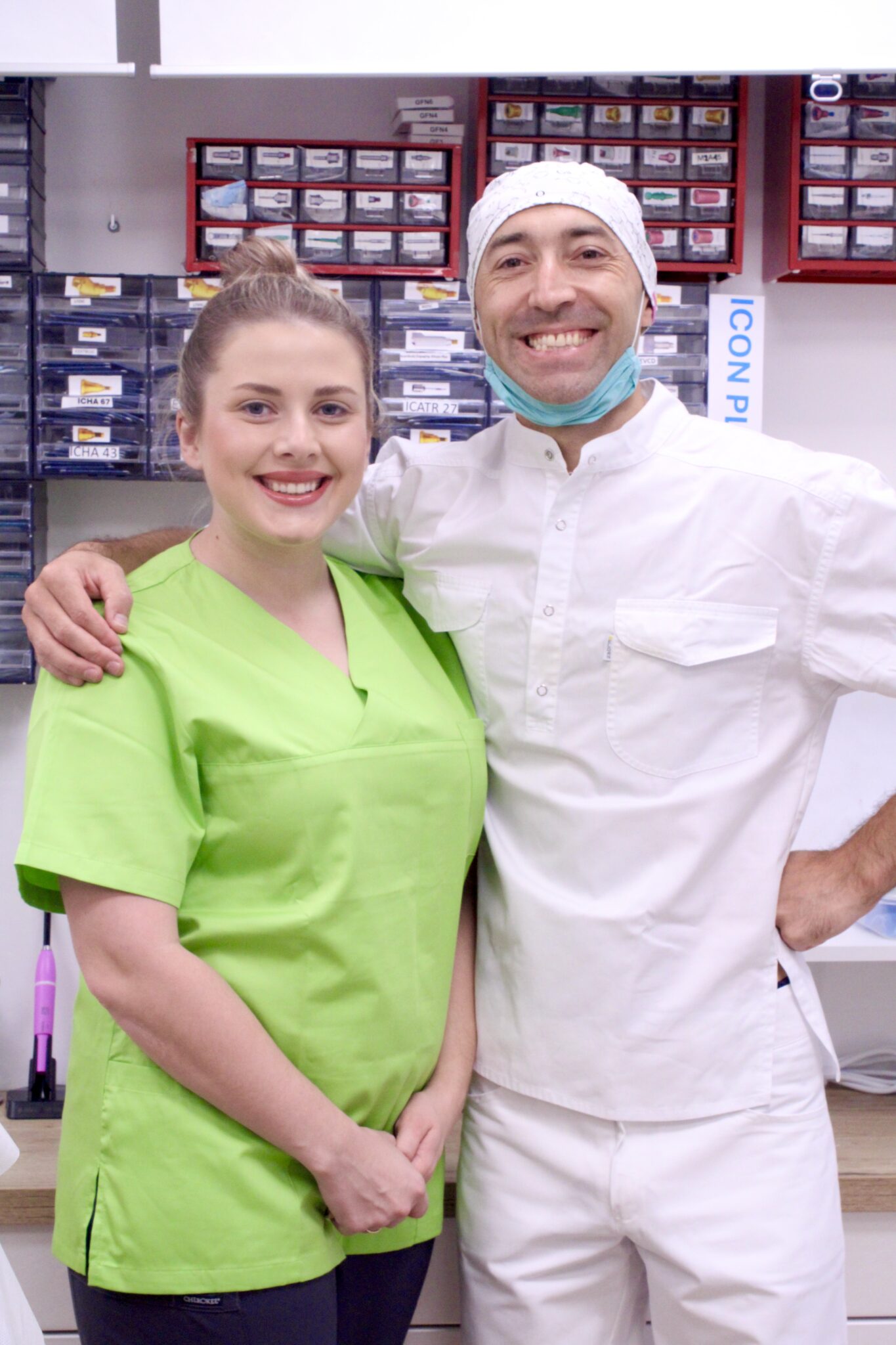
Team of Therapists at Omni Dent Clinic


Contact Us
FAQ
What is the difference between a ceramic inlay and a regular filling?
A ceramic inlay is a laboratory-made restoration designed with CAD/CAM technology, offering superior precision, strength, and aesthetics compared to a traditional filling. While a regular filling is shaped directly in the mouth, an inlay is custom-fabricated from high-strength ceramic and provides a much tighter fit, longer lifespan, and a more natural appearance.
How long does a ceramic inlay last?
With proper oral hygiene and regular check-ups, a ceramic inlay typically lasts 10–15 years, and in many cases even longer. Its longevity is higher than that of large composite fillings due to its resistance to wear, discoloration, and fracture.
Is the procedure painful?
The procedure is painless. Local anesthesia is used during preparation to ensure comfort, and most patients report no discomfort afterward. Since ceramic inlays require minimal removal of tooth structure, the treatment is considered gentle and conservative.
How many visits are needed for a ceramic inlay?
In most cases, the treatment requires two visits: one for tooth preparation and digital scanning, and another for final placement and bonding. For selected indications, same-day inlays may be possible using full digital workflows.
When is a ceramic inlay better than a crown?
A ceramic inlay is ideal when a tooth has significant damage but still has enough healthy structure to avoid a full crown. It preserves more natural tissue, provides excellent strength, and restores the tooth with a highly aesthetic and minimally invasive solution.