






Wisdom Tooth Extraction
Wisdom Tooth Extraction: When It’s Needed and How It Works
Wisdom teeth are the last to erupt — and often the ones that cause the most trouble. Some grow in normally, but many lead to pain, inflammation, or pressure on neighboring teeth. In these cases, extraction is a simple and safe way to bring relief.
We remove wisdom teeth only when necessary, under reliable local anesthesia, and always provide clear aftercare instructions.
When Extraction Is Necessary
- Incorrect position — the tooth grows at an angle, pushes other teeth, or irritates the gum.
- Partial eruption or impaction — inflammation and pain under the gum “hood”.
- Cysts or inflammation around the tooth.
- Deep decay — wisdom teeth are hard to treat due to limited access.
- No opposing tooth — the tooth “overerupts” and injures tissue.
Symptoms to Watch For
- pain or pressure during eruption,
- redness and swelling of the gum,
- bad breath or unpleasant taste,
- pain when chewing or opening the mouth,
- fever.
If these symptoms appear, early treatment helps prevent complications.
When Urgent Care Is Needed
- acute inflammation (pericoronitis) or abscess,
- trauma to the tooth,
- severe pain or significant swelling.
When Extraction May Be Delayed
- acute infections,
- serious cardiac conditions,
- blood clotting disorders.
We always choose the safest approach and coordinate care with other specialists when needed.
Diagnostics Before the Procedure
We perform a panoramic X-ray or CT scan to assess root position, proximity to nerves, and surrounding structures. This helps plan a safe and predictable procedure.
How Wisdom Tooth Extraction Works
Simple Extraction
- local anesthesia,
- gentle removal with specialized instruments,
- socket cleaning and sutures if needed.
Surgical Extraction
- small gum incision,
- tooth sectioning if required,
- removal with maximum tissue preservation,
- antiseptic care and suturing.
If the Tooth Can Be Saved
If only the gum “hood” is inflamed, we may remove it (operculectomy) without extracting the tooth.
Aftercare
- do not rinse in the first hours to protect the blood clot,
- apply cold packs to reduce swelling,
- eat soft, cool foods,
- avoid alcohol and smoking for 2–3 days,
- follow all prescribed medications and instructions.
If swelling increases, pain intensifies, or fever appears — contact us immediately.
What You May Feel After the Procedure
Mild discomfort, slight fever, and moderate swelling are normal and usually pass within a few days.
Our goal is to make your experience as comfortable as possible and support fast, predictable healing. We’re here for you every step of the way.
Surgical Treatment
How a Visit Proceeds

Anesthesia
Before the procedure, local anesthesia is administered to completely eliminate pain and ensure patient comfort during the tooth extraction.

Tooth Loosening
Using specialized instruments, the doctor carefully loosens the tooth, separating it from the surrounding tissues and preparing it for removal.

Tooth Removal
The tooth is gently extracted from the socket. If necessary, the area is treated and the gum is sutured to promote faster healing.

Healing and Result
After the extraction, the healing process begins: tissues recover, inflammation subsides, and the patient returns to normal life without pain.
A space of health and comfort

Follow us on YouTube
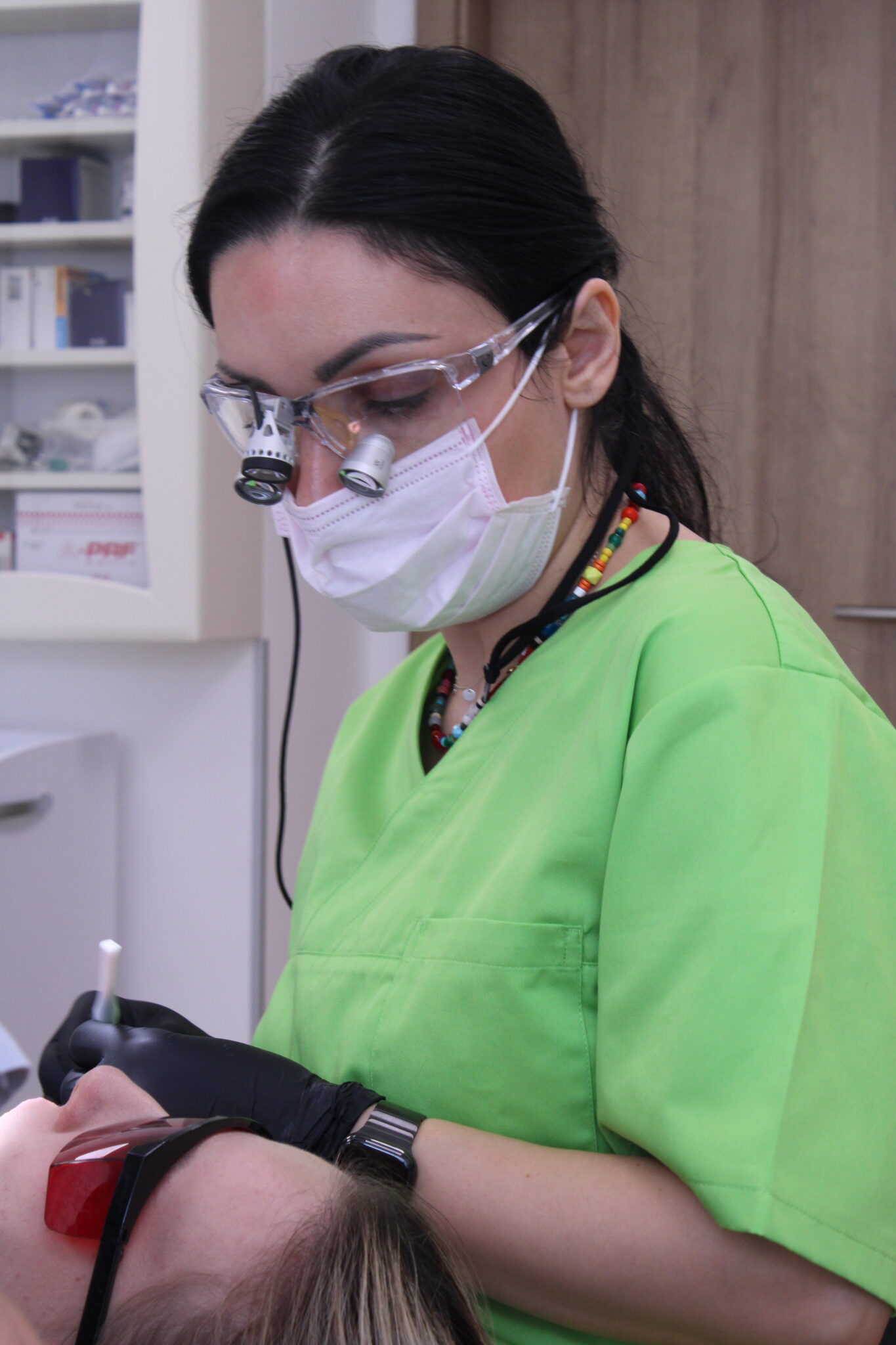
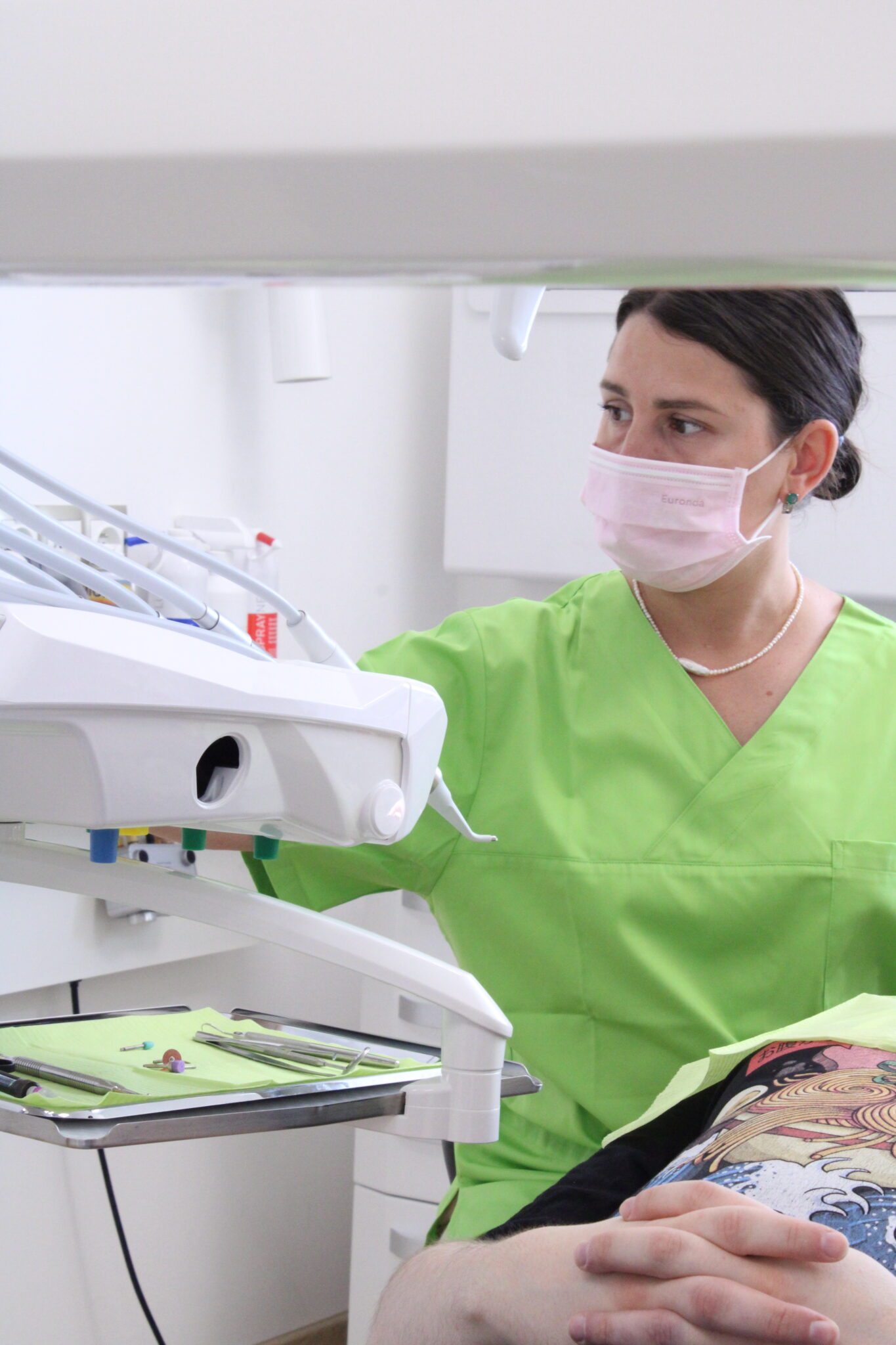
The Surgical Team at Omni Dent Clinic

Vitalii
Shmaduk
expert in surgery and implantology.


Olga
Fedotova

Václav
Odstrčilík
Contact Us
FAQ
Is wisdom tooth extraction painful?
Wisdom tooth extraction is performed under effective local anesthesia, so you should not feel pain during the procedure. You may feel pressure, but not sharp discomfort. After the extraction, mild swelling or soreness is common for 2–3 days. For complex or impacted wisdom teeth, slightly longer recovery is normal. At Omni Dent Clinic, we use gentle, minimally invasive techniques to make the experience as comfortable as possible.
When is wisdom tooth extraction really necessary?
Extraction is recommended when the wisdom tooth:
-
grows at an angle or presses on neighboring teeth,
-
is partially erupted and causes recurrent inflammation (pericoronitis),
-
forms cysts or infection around the root,
-
has deep decay that cannot be safely restored,
-
has no opposing tooth and “overerupts,” irritating soft tissues.
Your dentist will determine the safest treatment approach based on X-ray or CBCT imaging.
-
What symptoms should I watch out for?
Signs that may indicate the need for an examination include:
-
pain or pressure in the area of eruption,
-
swelling or redness of the gum,
-
unpleasant taste or bad breath,
-
difficulty chewing or opening the mouth,
-
fever or increased temperature.
Early treatment helps prevent complications.
-
How long does it take to recover after wisdom tooth extraction?
Most patients recover within 3–5 days after a simple extraction.
After a surgical or impacted wisdom tooth removal, healing may take 5–10 days.
Complete bone healing occurs over several weeks.
Following the aftercare instructions (cold compresses, soft foods, avoiding smoking and alcohol) significantly helps reduce swelling and speed up recovery.
How much does wisdom tooth extraction cost?
The price depends on:
-
whether it is a simple or surgical extraction,
-
the position of the tooth (impacted/angled),
-
the need for sectioning, sutures, or additional procedures,
-
emergency treatment requirements,
-
imaging (X-ray or CBCT).
After your examination, Omni Dent Clinic provides a clear and transparent cost estimate tailored to your specific case.
-