




Re-endodontic treatment in Prague
Re-endodontics: repeated root canal treatment to save your tooth
Sometimes a tooth that has already been treated can give problems again over time. You may experience pain, swelling, sensitivity, an unpleasant smell, or a small “pimple” on the gum. Most often, this indicates that an infection persists inside the tooth. In such cases, re-endodontics — an advanced and comprehensive repeated root canal treatment — is the solution.
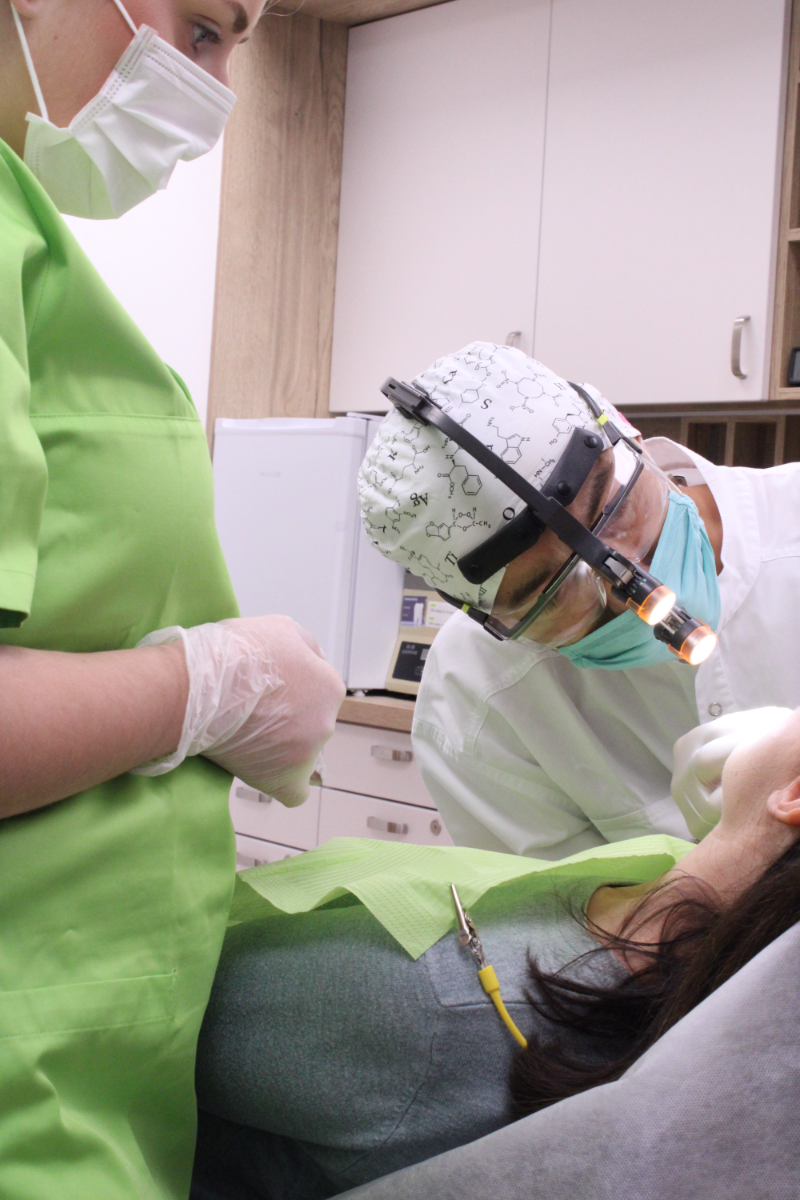
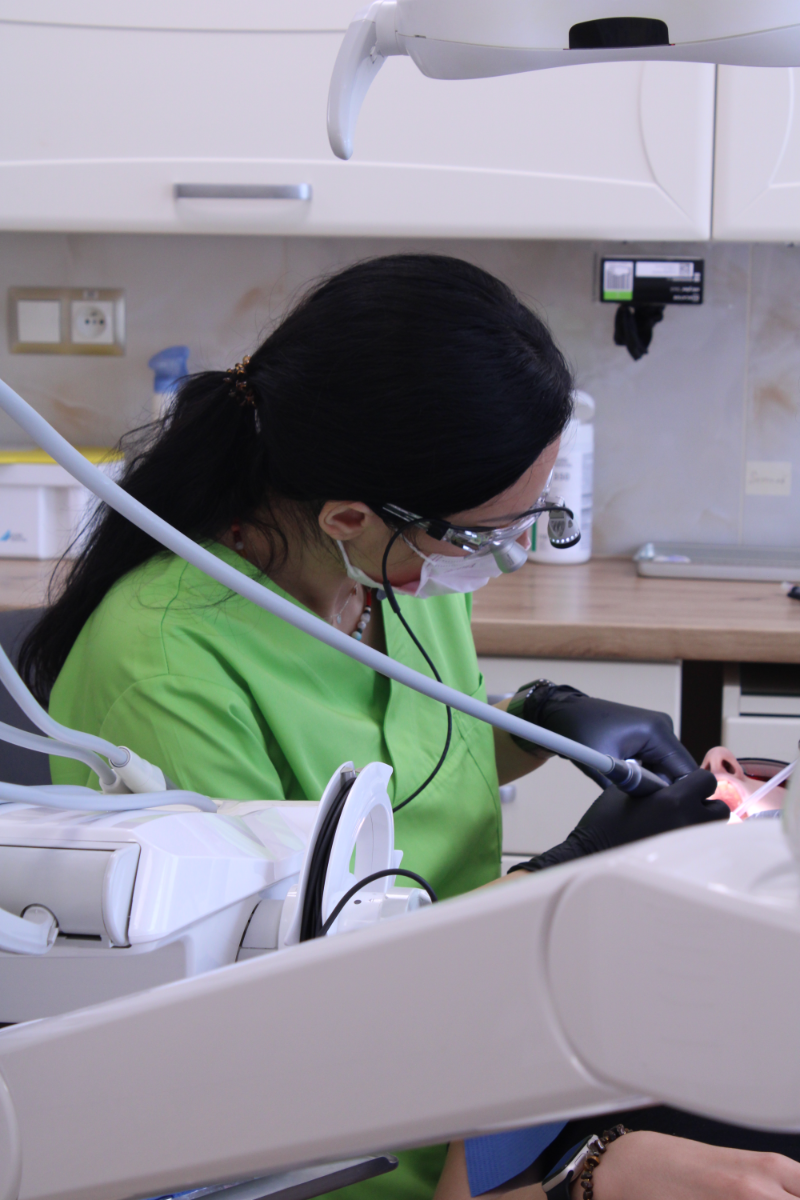
Our goal is simple: thoroughly clean and disinfect the canals, eliminate the source of inflammation, and preserve your natural tooth. At Omni Dent Clinic, we work with a microscope, use modern tools, and safe materials, making the treatment gentle and transparent.
When repeated treatment is necessary
- The tooth still hurts or has dull pain after previous treatment,
- A fistula (small bump) or inflammatory focus appears on the gum,
- An X-ray shows a cyst at the root tip,
- Pain when biting or a sense of pressure in the tooth,
- Canals were previously incompletely filled or some canals were overlooked,
- Damaged filling/crown, microleakage, or a loose restoration.
The earlier the treatment begins, the higher the chance of saving the tooth and avoiding extraction.
How re-endodontics is performed
- Diagnosis. We take X-rays or a CBCT scan, evaluate previous treatment, and assess the tissue condition.
- Anesthesia, ensuring a comfortable and painless procedure.
- Removal of old canal fillings and identification of previously undetected canals.
- Thorough cleaning and disinfection of the entire root system under a microscope.
- Hermetic filling using modern materials.
- Restoration of the tooth with a strong filling, onlay/inlay, or crown for long-term stability.
Why re-endodontics is important
- Stops inflammation and eliminates the source of infection,
- helps avoid tooth extraction and implant placement,
- prevents cysts and abscess formation,
- preserves your natural smile and chewing function.
Cost of repeated treatment
The cost depends on the number of canals, complexity of the case, and whether CBCT or a microscope is required. Before the procedure, we go over everything in detail — we provide a clear treatment plan and a transparent price with no surprises.
If your tooth is causing problems again after previous treatment, schedule a consultation. We will explain each step, recommend the most appropriate approach, and do our best to save your tooth.
Endodontic Treatment (Root Canal Therapy)
Root canal treatment using a microscope + photocomposite reconstruction (creation of a core build-up for subsequent prosthetic treatment)
Repeated root canal treatment using a microscope + photocomposite reconstruction (creation of a core build-up for subsequent prosthetic treatment)
Treatment procedure

Initial Condition and Diagnosis
The doctor evaluates a previously treated tooth: the canals already contain filling material, but inflammation remains in one of the canals. Diagnostics are performed to determine the cause of the problem.

Removal of Old Material and Canal Cleaning
The tooth is partially opened, after which the doctor carefully removes the old filling material and thoroughly cleans the canal from infection and inflamed tissues.

Re-filling of the Canals
The cleaned canals are hermetically filled again with modern material, preventing reinfection.

Tooth Restoration
After treatment, the tooth is restored with a filling or a crown. The canals are completely sealed, the inflammation is eliminated, and the tooth regains its function.
A space for health and comfort
Follow us on YouTube
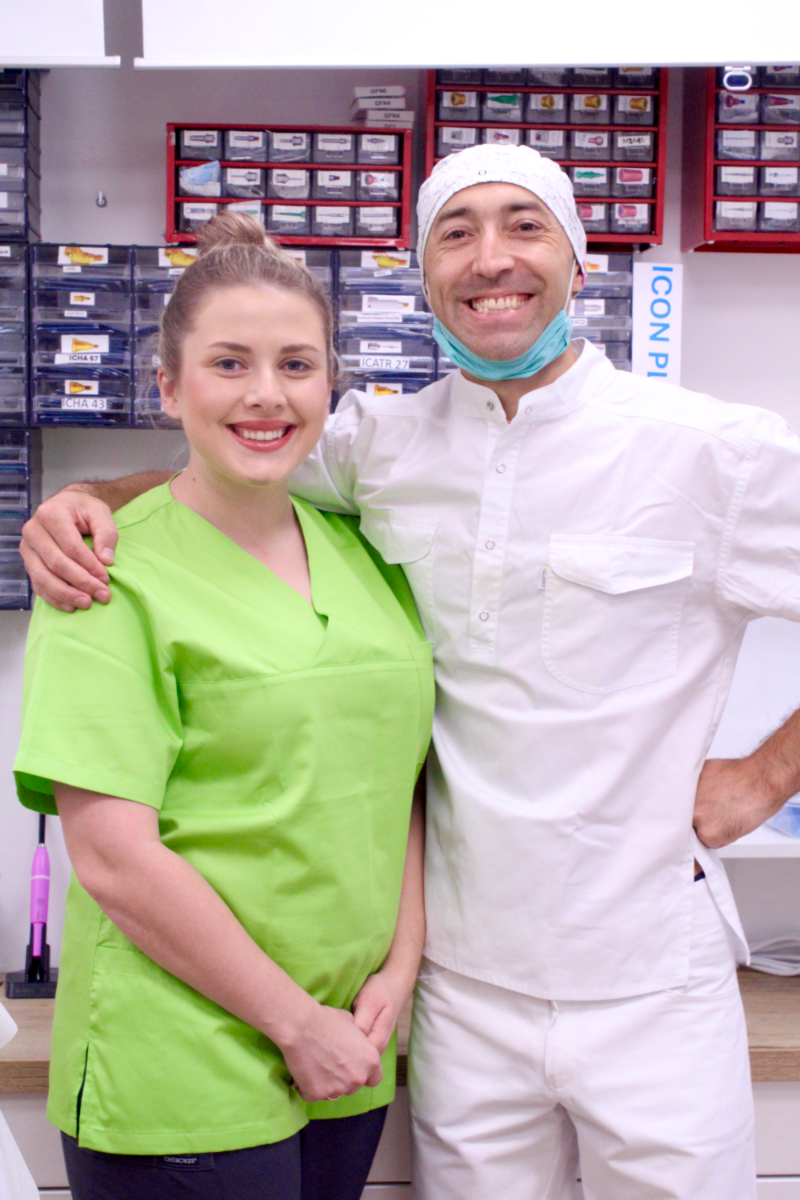
Omni Dent Clinic Therapy Team

Contact Us
FAQ
What is re-endodontic treatment?
Re-endodontic treatment, also called repeated root canal treatment, is a procedure to treat a tooth that has previously undergone root canal therapy but still shows signs of infection or inflammation. Its goal is to remove any remaining infection and save your natural tooth.
When is re-endodontic treatment necessary?
It is recommended if you experience ongoing pain, swelling, sensitivity, a fistula (gum bump), pressure when biting, or if previous canal fillings were incomplete or overlooked. X-rays or CBCT scans may show cysts or other issues that require repeated treatment.
How is the procedure performed?
The treatment involves diagnosis (X-ray/CBCT), anesthesia for comfort, removal of old canal fillings, thorough cleaning and disinfection under a microscope, hermetic filling with modern materials, and restoration of the tooth with a filling, onlay/inlay, or crown for long-term stability.
Is the procedure painful?
No. Re-endodontic treatment is performed under local anesthesia, and modern tools and techniques ensure a gentle and pain-free experience. Any post-treatment sensitivity usually resolves within a few days.
How much does re-endodontic treatment cost?
The cost depends on the number of canals, complexity of the case, and whether advanced diagnostics (CBCT) or a microscope is needed. A clear treatment plan and price are provided before the procedure to avoid surprises.