





Root Canal Therapy in Prague
Endodontics: Saving Your Teeth and Relieving Pain
Endodontics is a branch of dentistry that allows preserving teeth even in cases where extraction used to be the only option. When the inner part of a tooth (pulp) or root canals become inflamed, our goal is to gently remove the inflammation, eliminate infection, and restore the tooth’s health and function.
The main aim is to preserve your natural tooth so you can bite comfortably and feel confident.
Who is an Endodontist and What Do They Do
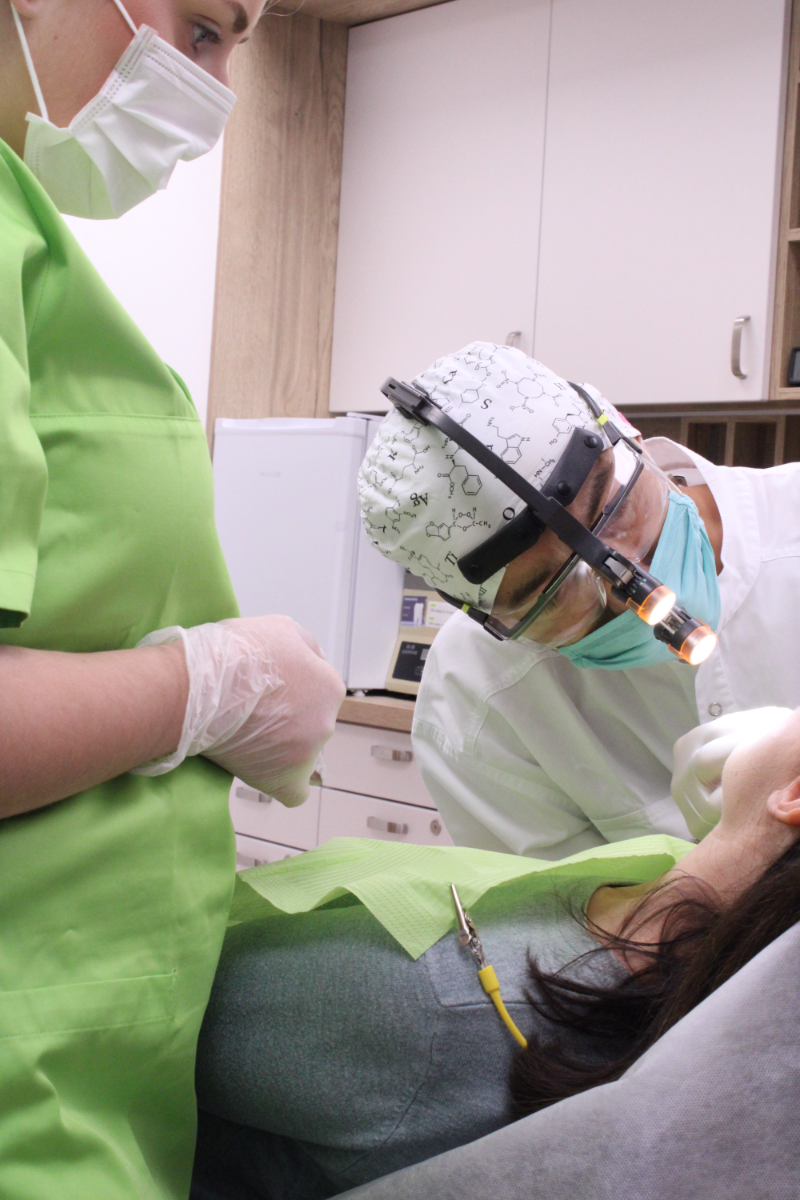
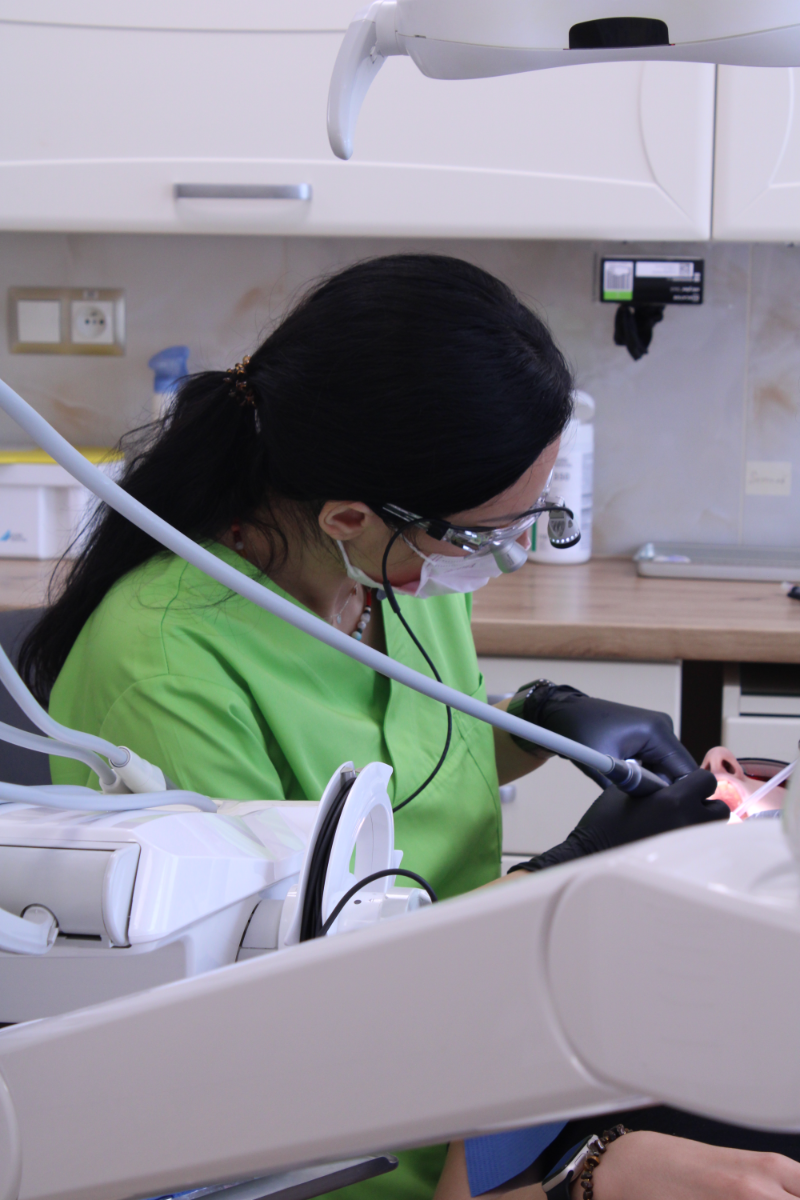
An endodontist is a dentist specialized in treating the inner structures of the tooth and root canals. They work with high precision, often using an operating microscope and modern instruments to access areas that a general dentist may find difficult to reach. Thanks to this, many teeth that would otherwise be extracted can now be reliably saved for years.
When to Visit an Endodontist
Do not delay your visit if you experience:
- sharp or dull pain (often worse at night),
- long-lasting sensitivity to hot or cold,
- swelling of the gums or a bump near the tooth,
- pain when biting, pressure, or pulsating sensation,
- deep decay, trauma to the tooth, or failed previous treatment.
These symptoms may indicate pulp or root inflammation — the earlier the treatment, the higher the chance to save the tooth.
How Root Canal Treatment Works
We ensure the procedure is clear and comfortable for the patient:
- Examination and Diagnosis — X-ray or CBCT and explanation of the treatment plan.
- Anesthesia — the procedure is performed painlessly.
- Precise Canal Cleaning — under a microscope, ensuring nothing is overlooked.
- Disinfection — thorough removal of bacteria and inflammation.
- Filling the Canals — hermetically sealed with special material.
- Tooth Restoration — filling or crown to restore strength and longevity.
Why Endodontics Is Important
- Preserves your natural tooth,
- Relieves pain and inflammation,
- Prevents complications (cysts, abscesses, swelling),
- Helps avoid extraction and implants.
After Treatment
The tooth may be slightly sensitive in the first few days — this is normal and usually resolves quickly. Analgesics can be used if recommended by your dentist.
After endodontic treatment, it is important to properly restore the tooth (e.g., with an onlay or crown) to ensure long-term strength, and maintain regular oral hygiene.
We help preserve teeth even in complex cases. If you experience pain or are unsure about the condition of a tooth, schedule a consultation — we will explain every step and propose the best solution for your smile.
Endodontic Treatment — Root Canal Therapy
Treatment procedure

Access to the Root Canals
The doctor carefully opens the tooth to gain access to the root canals. At this stage, the infection inside the canal is identified and treatment begins.

Cleaning and Shaping of the Canals
Using specialized instruments and under a microscope, the canals are thoroughly cleaned of infection and disinfected.

Filling of the Root Canals
The cleaned canals are hermetically filled with a special material (gutta-percha) to prevent reinfection.

Tooth Restoration
After the treatment, the tooth is restored with a filling or an inlay, returning its strength, function, and natural appearance.
A space for health and comfort

Follow us on YouTube
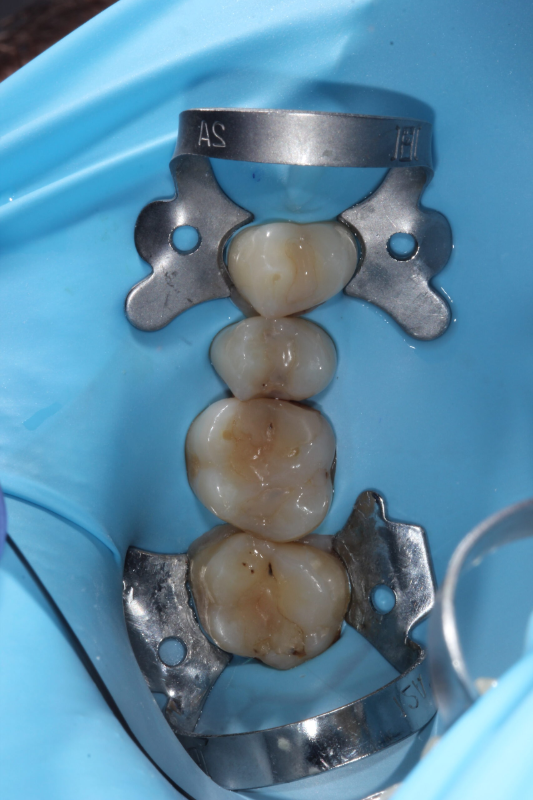
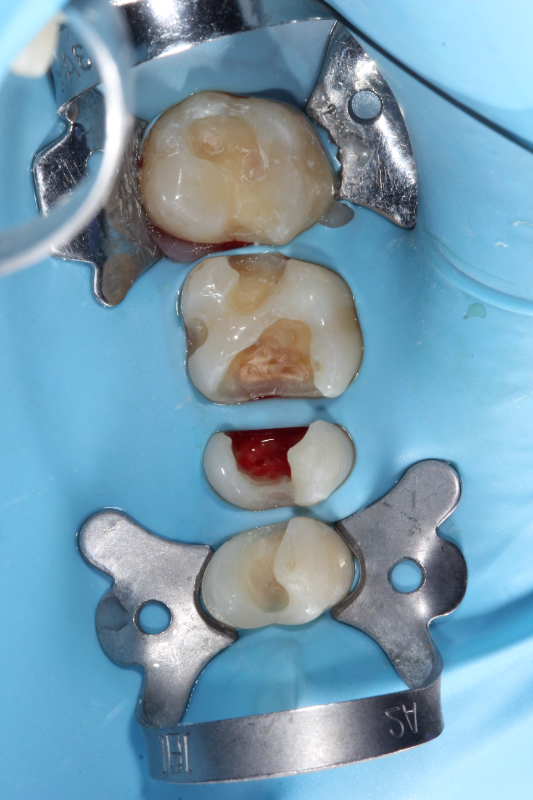
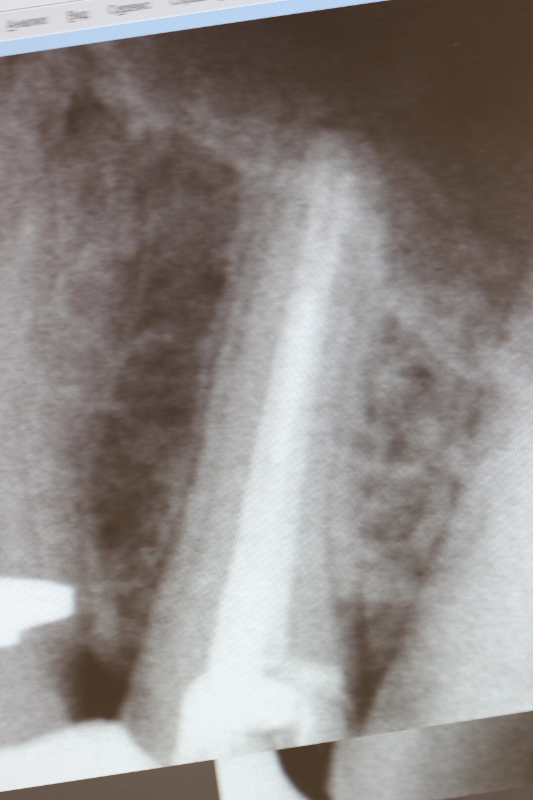
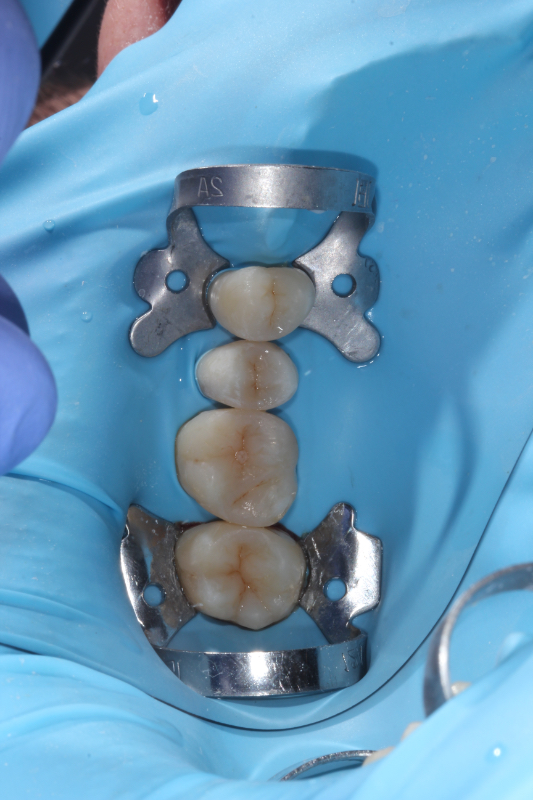
Examples of work no. 1
Omni Dent Clinic Therapy Team

Contact Us
FAQ
What is root canal therapy and why is it necessary?
Root canal therapy is a dental procedure aimed at saving a tooth that has an infected or inflamed pulp. It removes infection, relieves pain, and preserves the natural tooth, avoiding extraction.
How do I know if I need a root canal?
You should consult an endodontist if you experience severe or lingering tooth pain, sensitivity to hot or cold, swelling in the gums, discomfort when biting, or if you have deep decay or a failed previous treatment.
Is the procedure painful?
No. Root canal therapy is performed under anesthesia, and modern techniques ensure the treatment is comfortable and mostly pain-free.
How long does the procedure take?
Treatment duration depends on the complexity of the tooth and the number of canals. Most procedures are completed in one or two visits.
What should I expect after treatment?
Some mild sensitivity is normal in the first days after treatment. The tooth should be restored with a crown or filling to ensure long-term strength and function. Regular dental hygiene and check-ups help maintain the treated tooth.